
WHY LOCAL COMMUNITIES ARE THE KEY TO CLIMATE UNDERSTANDING?
Scientific thought n°1

Who better than an astronaut to speak about the universe? Who better than a surgeon to speak about the human body? Who better than humans living in intimate connection with natural resources to speak about environmental changes?
Why are those people not in a central position in the climate debate? Why are their testimonies not sources of climate information?
Instead, climate discussions, environmental awareness, and policy decision-making are mostly directed by people who are not directly exposed to those pressures. Most of us, most of you reading this article, are not directly feeling those changes. Yes, we may notice warmer days. We may experience stronger storms. We may observe higher tides. But tomorrow, we will still go to the supermarket to get our food. We will still turn on the AC on warm days. We will continue building seawalls to face tides and storms as if nothing fundamentally changed.
But for how long?
Climate change happens at a scale that is difficult to perceive in daily life. Over the past decades, temperature has increased by about 0.27°C (Forster et al., 2025), rainfall has increased by around 5–20% depending on regional patterns (Trenberth et al., 2011), and ocean levels have risen by roughly 4–5 cm (Church et al., 2011). How many of us can actually feel the difference? I guess not many. Well... if these changes are so small, why has climate change become such a profound planetary challenge for human society?
Simply because ecosystems do not experience changes the same way.
They are extraordinarily sensitive. Natural systems are tightly linked to abiotic factors (including all environmental parameters) and biotic interactions between species (predation, competition, parasitism…). A small change in temperature can alter the flowering times of plants (Parmesan & Yohe, 2003). A slight shift in sand temperature can imbalance the sex ratio of sea turtles (Jensen et al.m 2018). Minor variations in rainfall can reshape entire landscapes (Knapp et al., 2017). Small changes can induce major impacts. Ecosystems are dynamic complexes created by species interacting with one another. In those systems, every organism has a role that contributes to the functioning of the whole system. If one species disappears, its role might not be perpetuated, potentially affecting other species and other roles, themselves linked to other species and other roles, OTHER SPECIES, OTHER ROLES…… It’s what we call cascading effects, and they can totally redefine a system. Losing species means losing structure and losing the benefits ecosystems provide for humans.
Some humans are directly part of ecosystems. They are part of the complex interactions among species. They are part of the cascading effects induced by changes. They are able to sense these changes through the pulse of the ecosystems surrounding them. Even though they might not directly perceive one additional degree of temperature, one more millimeter of rain, or a few centimeters of rising sea level, the ecosystem they are living in and the natural resources they rely on can feel the change for them.
Farmers, fishermen, beekeepers, seaweed farmers, salt harvesters, nomads, hunter-gatherers, pearl divers, and many others are all highly reliant on the natural resources they harvest. Any changes affecting those elements directly affect their livelihoods. Unlike us, these communities feel the changes immediately. All over the world, in every corner of the planet, some humans rely on their local ecosystems, unconsciously capturing the consequences of climate change. They act as climate sensors; they are indicators. All together, they actually create a worldwide climate observatory that collects data continuously, over and over, across generations. Their data is knowledge. Not technical measurements made by technical machines in technical laboratories. Just their knowledge. And it is far more powerful.
But what exactly is local knowledge?
Although it might sound very simple, local knowledge is relatively difficult to define because it usually encompasses various aspects in various contexts. Local knowledge represents all the facts, information, skills, and experiences acquired by a person or a community that are relevant to a specific location or have been elicited from a place-based context. It is further developed by the United Nations Food and Agriculture Organization as endemic knowledge based on experience, adapted to local culture and environment, as well as embedded in community practices, institutions, relationships, and rituals. Quite a complex idea, right? But basically, it is everything a human community knows about a specific location.
All human communities around the world possess local knowledge (McCoy, 2025). From rural to urban areas, from settled to nomadic communities, from original inhabitants to migrants. In a context of climate change, local knowledge linked to natural resources provides some of the most relevant insights we can obtain. Fishermen can know the seasonal presence of different fish species, the currents that influence their movements, and the most effective fishing techniques under different conditions. Farmers understand the best planting periods, how soils react to different types of rainfall, and which crop varieties grow best in specific areas. Forest gatherers can identify edible or medicinal plants, know where they grow, when they can be harvested, and how to collect them without damaging the resource. Pastoralists also know which grazing areas are most suitable at different times of the year and how their animals respond to variations in vegetation and water availability. These observations form detailed ecological knowledge rooted in everyday experience with local ecosystems. It is built through long-term observation and daily interaction with the environment, and it can provide fine information of climate variability, weather patterns, ecosystem productivity, and more. They can also help us to better understand climate impacts beyond ecology alone. Cultural values, social systems, and economic practices are all deeply challenged by environmental changes.
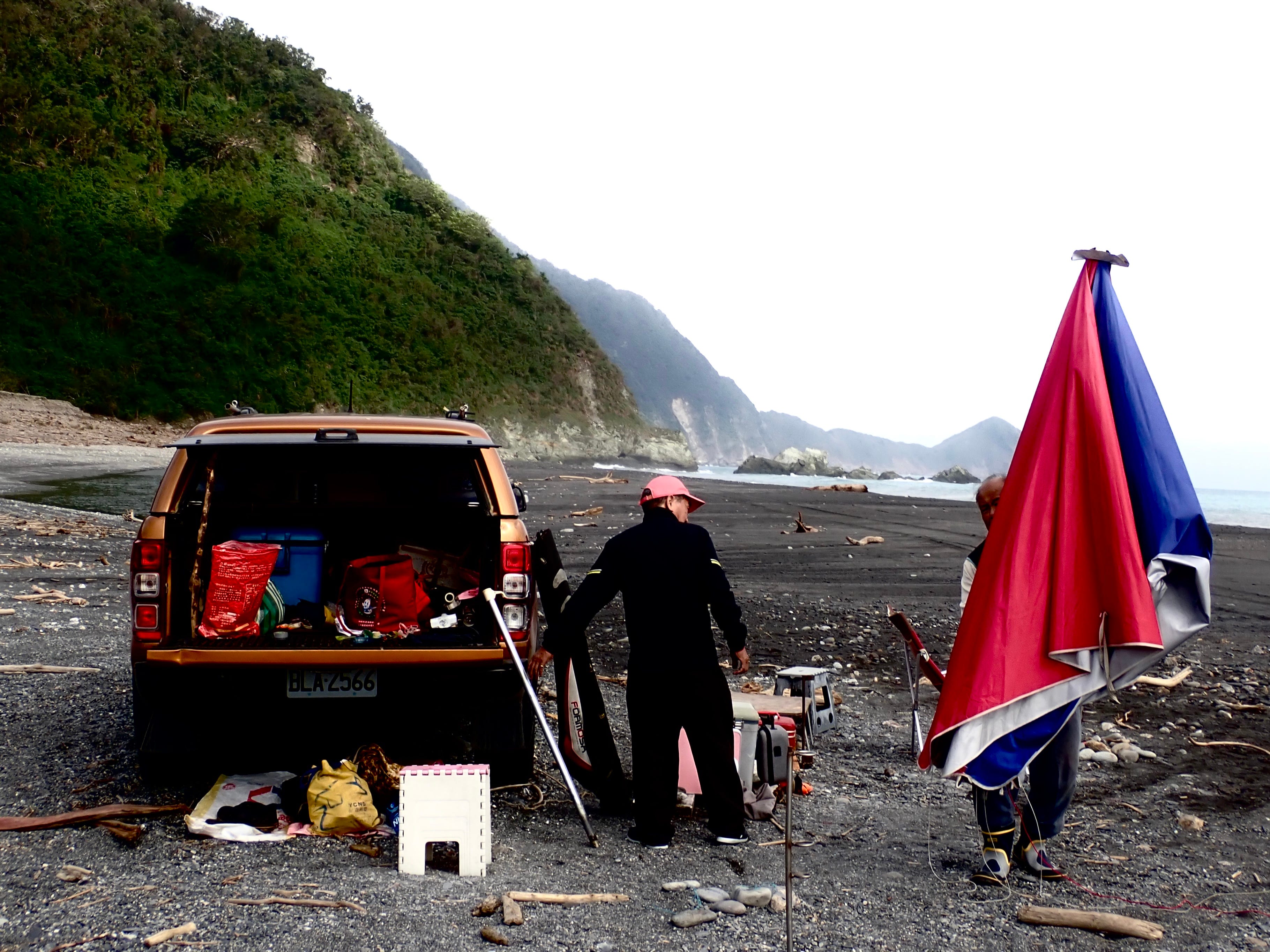
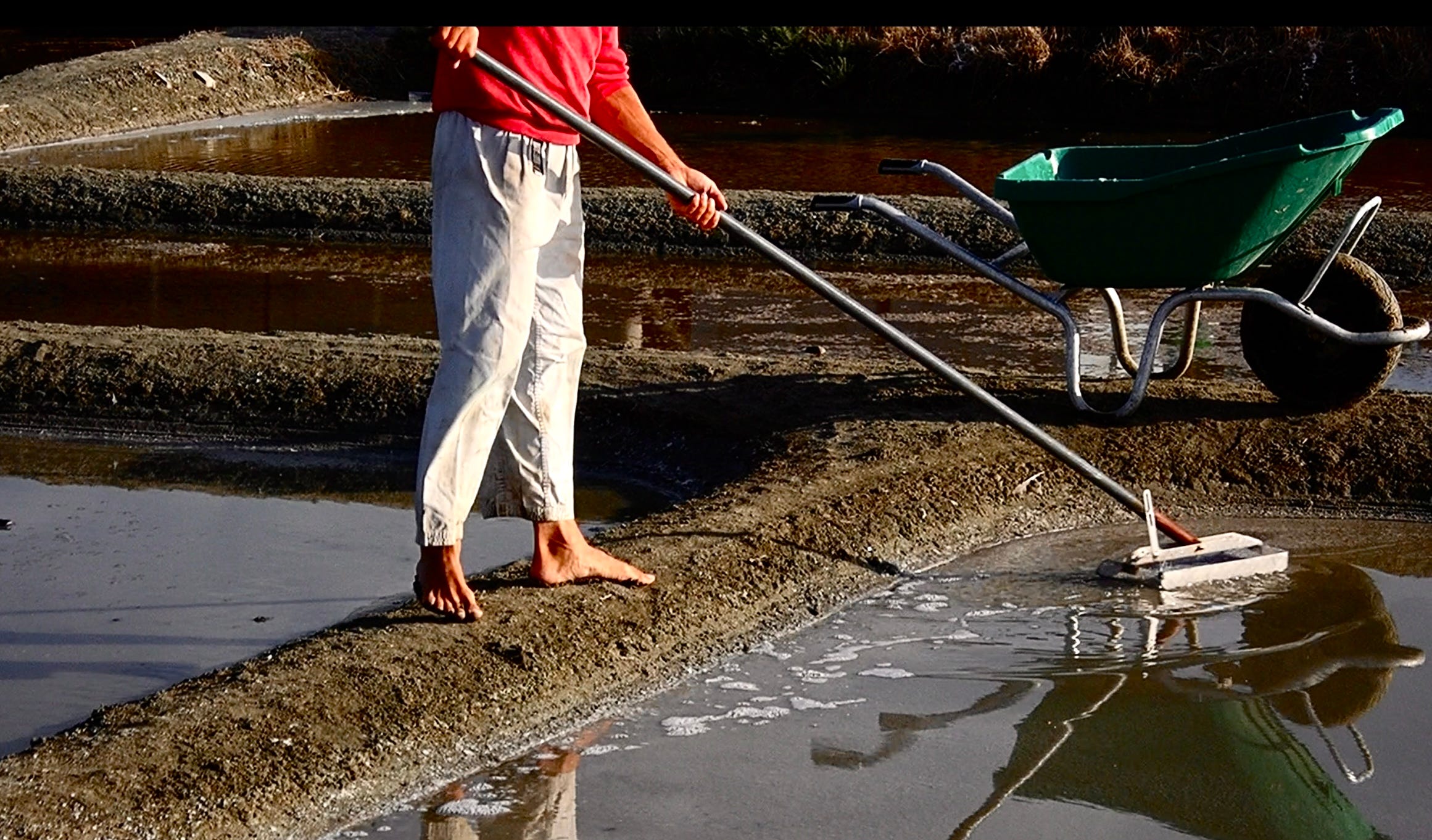
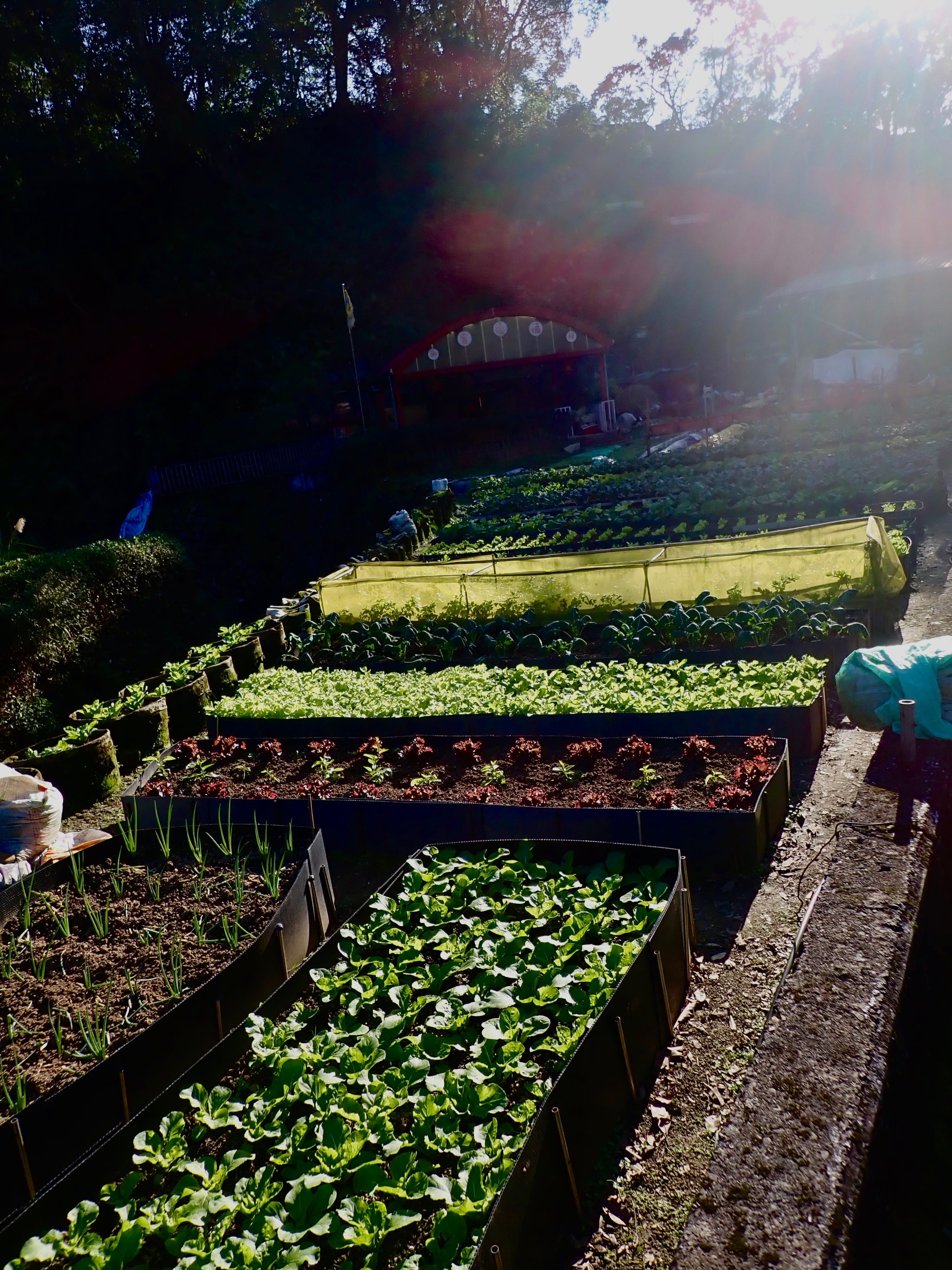
In the scientific community, local knowledge is often judged as too subjective, unscientific, or inaccurate… It is where we underestimate the power of local communities knowing their environments for generations. When you hear that the productivity of white radishes in the mountains of Taiwan has declined over the years, that Mongolian nomads now have to travel much farther than before to find enough pasture for their animals, or that salt farmers in western France are facing increasing destruction of their salt pans due to higher tides and stronger storms, it cannot be random. These are observations. These are facts. These cannot be denied. Yes, it is not quantifiable, yes, it is not as precise as a dataset, but it is far from meaningless. Over the past years, science has evolved enormously in terms of technology, providing more advanced approaches, bigger datasets, and more complex algorithms to produce more accurate climate predictions, while slowly disconnecting from what is actually happening on the ground. Don’t get me wrong, this science is crucial because it provides a structured vision of future scenarios and helps predict changes. However, it cannot be disconnected from the reality of the field. Large-scale climate approaches provide a global vision, general trends, and a rough idea of what is happening around the world. The problem is: climate impacts are highly locally dependent.
Geography, topography, or coastal configuration are all factors influencing local climate conditions. Social, cultural, and economic contexts also drastically influence local climate vulnerability. Those specificities can be understood only at the local scale, which makes all of them impossible to integrate into climate predictions. This can potentially lead to underestimating the reality in some locations around the world. Importantly, the availability and quality of data mark another major limitation in climate projections. A lack of regional information, especially in developing countries, which are usually the most exposed to climate change, can cause erroneous estimations and create “epistemic inequalities” in climate research. Ryan E. McCoy (2025) explains it very well in his scientific paper “The contributory role of local knowledge in climate research,” suggesting greater consideration of local knowledge in climate change assessments.
Moving from a global perspective to understand the local (top-down), to a local perspective to understand the global (bottom-up).
Of course, local knowledge cannot constitute the only source of data in climate research. It is here to validate estimations. It is here to reconnect scientific estimations to reality. It is one of the only ways to test the robustness of climate estimations. Exactly like a new medicine after being tested in a laboratory, it needs to undergo many real-life trials before being approved. Climate predictions should be the same. They need field validation. Otherwise, people slowly stop trusting science. And it is slowly going in that direction…
Some large-scale initiatives have incorporated local knowledge into climate research (Reyes-Garcia et al.,2023), but very few have systematically collected field testimonies across remote regions of the world using a shared and standardized protocol to map climate impacts.
More than science?
Providing data to science is good, but it is limited in terms of the impact the data is intended to have. Science, in the academic sense of the term, is technical. Usually too technical… too boring to read for most people, I would say. Very complex methodologies, very complex figures, very complex writing. It is like this for a reason. Of course, scientific papers are made for scientists, not for the general public. The question now is: where do we want the impact to be? To remain within the scientific world, or to open it to a larger audience?
For this, we need scientific translators. We need people who can translate scientific complexity into simple, clear, and attractive information while maintaining scientific rigor. Regarding climate change, what is more powerful than people’s stories? Not many things, I think… Stories have the ability to touch emotions. Local testimonies are engines of awakening. By sharing their lived realities, they reveal what many of us neither see nor experience. Combined with scientific methodology, it becomes impactful. By confronting scientific data with local testimonies, it reveals the reality of environmental changes. Facing increasing climate pressures, these communities have no choice but to adapt. Their ways of navigating environmental change through evolving local practices offer powerful lessons for rethinking our own relationship with nature. Listening to these voices does more than simply inform us; it invites us to rethink how we live and how we relate to the planet. And it is where FAULT//LINE ECHOES wants to make a change. A large-scale, human-powered expedition to collect climate testimonies for science and awareness.
Check our website for more information.
Let’s elevate their voices louder.
FAULT//LINE ECHOES