
FARMING BETWEEN EXTREMES
Climate stories n°1 - Wulai, Taiwan.

First stories. First people sharing their climate experiences with this young project.
We are on the large Pacific island of Taiwan, where mountains meet the ocean, and where the cold winter northern monsoon collides with the tropical heat of summer. Rising from sea level to 3,952 meters, Taiwan’s dramatic topography creates an extraordinary diversity of climates across very short distances. Each region has its own unique characteristics, and the farmers who work these landscapes know them better than anyone.
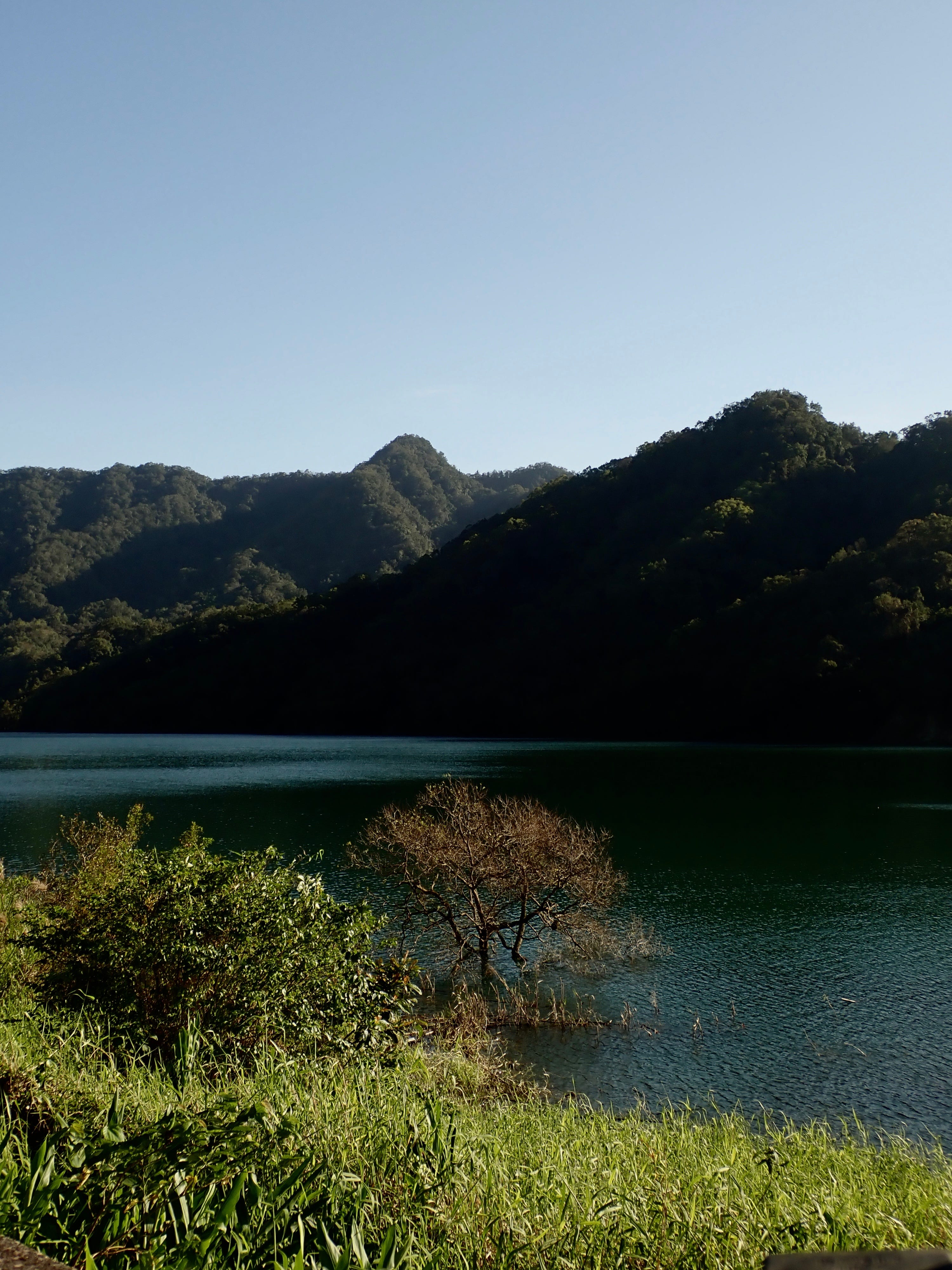
Within this small country, Wulai lies just southeast of Taipei, Taiwan’s largest city. Surrounded by misty mountains, this small town follows the rhythm of cool winter monsoons and hot, humid summers. Moisture is ever-present. Water hangs in the air, trickles down steep slopes, and has sculpted the landscape through countless streams and crystal clear rivers. Temperatures are shaped by a strong seasonal contrast, ranging from around 10°C in winter to over 35°C during the hottest summer days. It is a lush subtropical environment where deep green vegetation thrives throughout the year.
The forests are dense, towering, and remarkably diverse. Rivers are known for their crystal-clear blue waters, often turning emerald green as clouds drift across the sky and soften the sunlight. It is a vibrant and productive landscape, one that has long supported local communities and their connection to the natural world.
Local practices
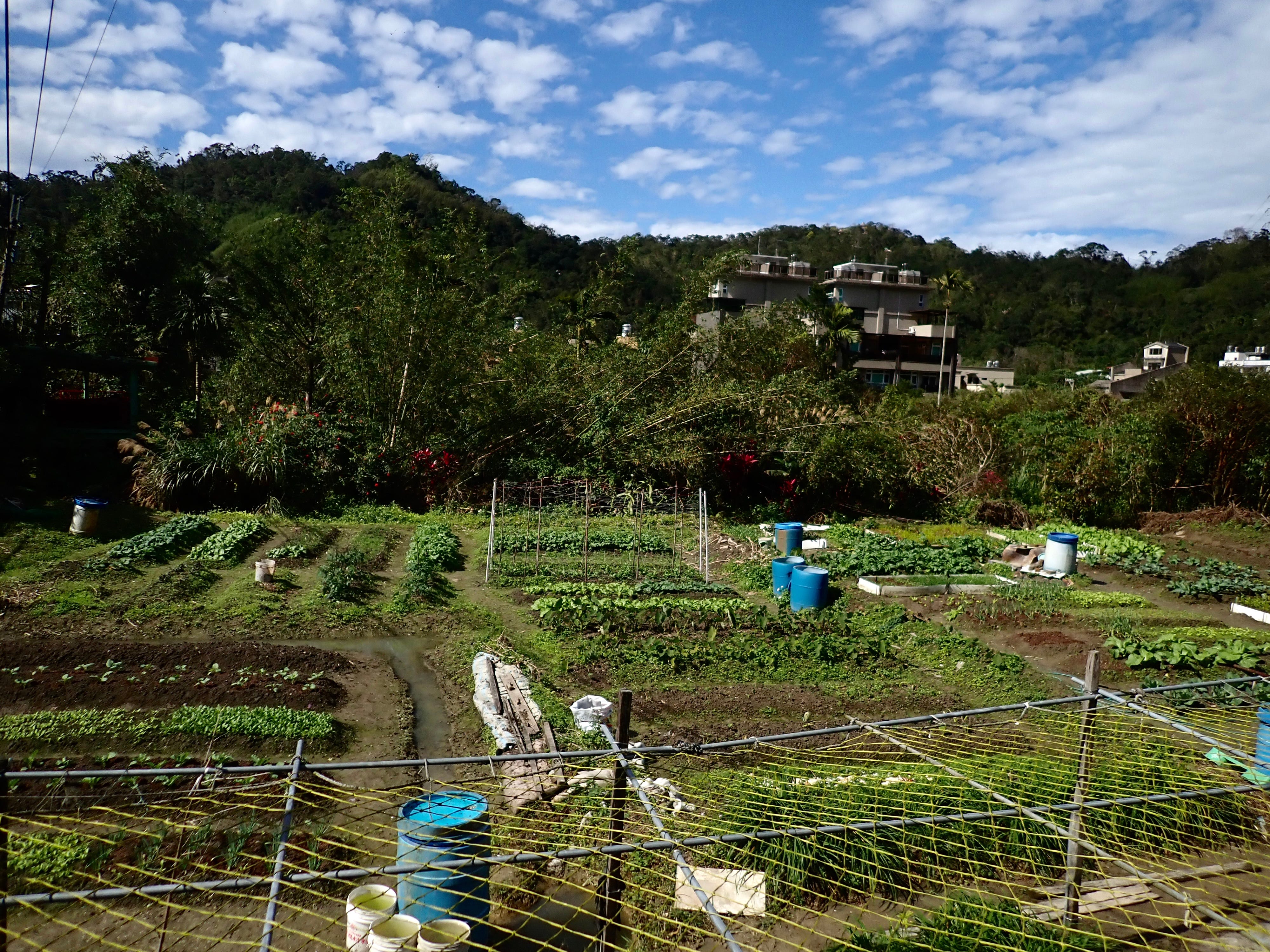
In a flat area bordering a wide river, a dozen small farms share a large patch of fertile land. Most are cultivated by local residents who grow vegetables during their days off, producing food mainly for themselves while enjoying the slow rhythm of nature. Tomatoes, radishes, loofah, and countless other vegetables emerge from the soil, changing with the seasons. Among these gardeners, three individuals were willing to share their experiences. Representing three generations of growers with approximately 25, 10, and 4 years of farming experience, they dedicate their free time to working the land and harvesting its benefits.
Traditionally, farming in Taiwan has relied on relatively predictable patterns of temperature and rainfall, supported by established agricultural calendars that provide recommended planting periods for a wide range of crops. These calendars have long served as a valuable source of local knowledge, helping both experienced and novice farmers determine when conditions are most suitable for cultivation.
Accurate? Perhaps they once were.
Local testimonies
In recent decades, those usual planting seasons have changed.
“In Taiwan, we have a farming calendar, and we usually follow it. But now, things are different.” explained one of the farmers.
Their observations point toward two major environmental changes in the area: increasing temperatures and cloud cover, combined with more frequent fluctuations between warm and cold periods. Together, these changes are altering the stability of local growing conditions.
“Sometimes the harvest is good, and sometimes it’s not. The recent climate has become too extreme.”
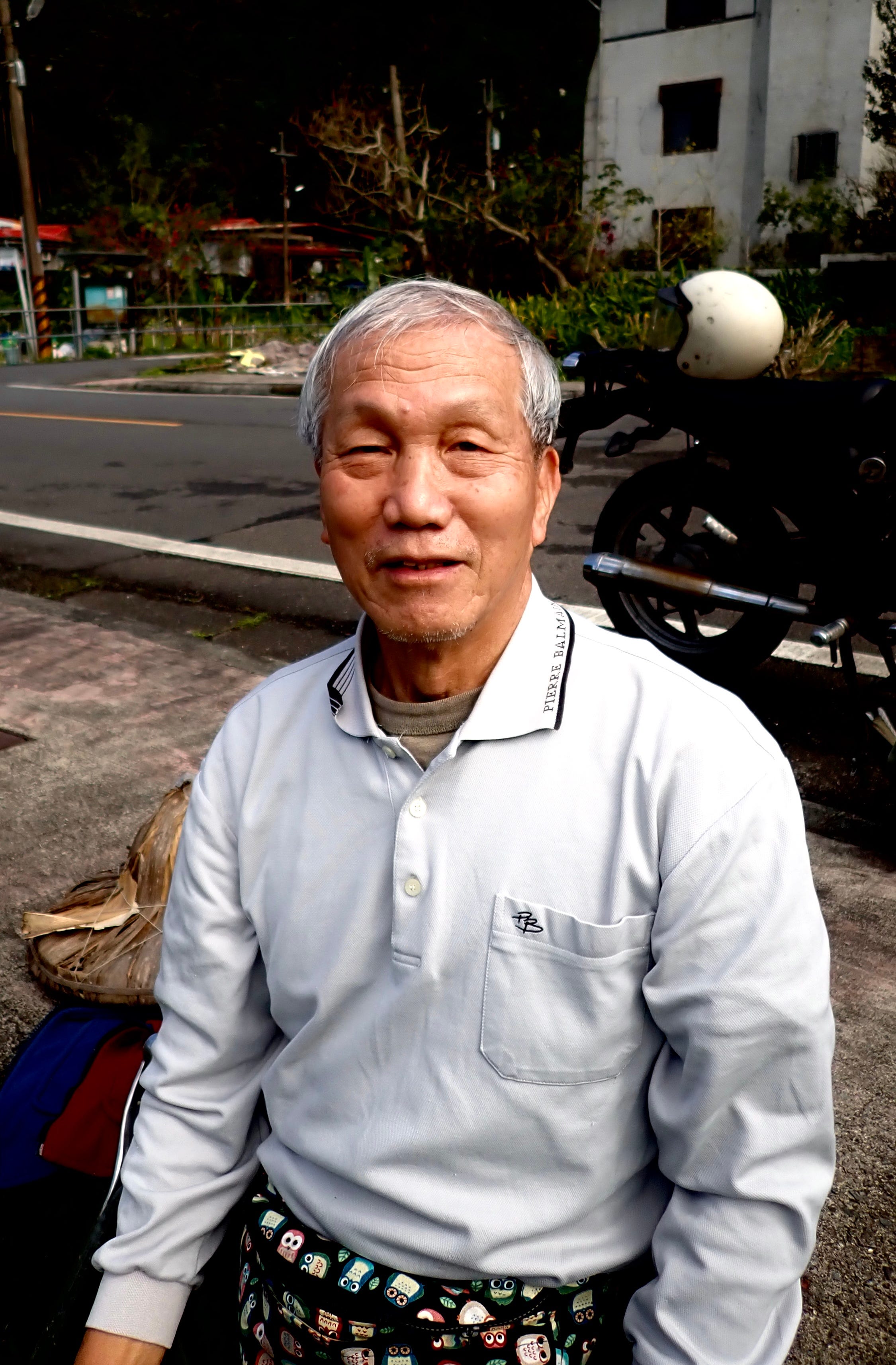
For years, these farmers have cultivated vegetables in small gardens. Recently, farming has become more uncertain. Sudden shifts in temperature, rapidly alternating between heat and cold, make it increasingly difficult for crops to thrive.
“Many people have noticed that crops like loofah are becoming harder to grow. Some crops just don’t perform well anymore. That’s one of the changes. Certain things simply can’t be cultivated like before. I also feel that winters are not as cold as they used to be. For example, I grow radishes, and it feels like the season is not as cold as before.”
Another farmer added:
“Now the weather suddenly turns cold and hot, which makes it hard for vegetables to adapt.”
Finally, the farmer with the longest experience highlighted another concern:
“Yes, I have noticed changes. Vegetables have become harder to grow… Too much rain, too much humidity, too many cloudy days.”
These changing conditions directly affect agricultural productivity. Harvests have become increasingly inconsistent: some seasons produce abundant yields, while others fall short. The loss of predictability disrupts the rhythm of farming. What was guided by relatively stable seasonal expectations now depends on increasingly uncertain environmental conditions.
Scientific records
Climate records reveal a clear warming trend in the Wulai region over the past three decades, specifically with mean annual temperature increasing from approximately 20.5°C to 23°C. This observation closely fit with the farmers’ perception that winters are no longer as cold as before. The increasing number of extreme heat days and decreasing number of extreme cold days further support local observations of a winter that is gradually losing its intensity.
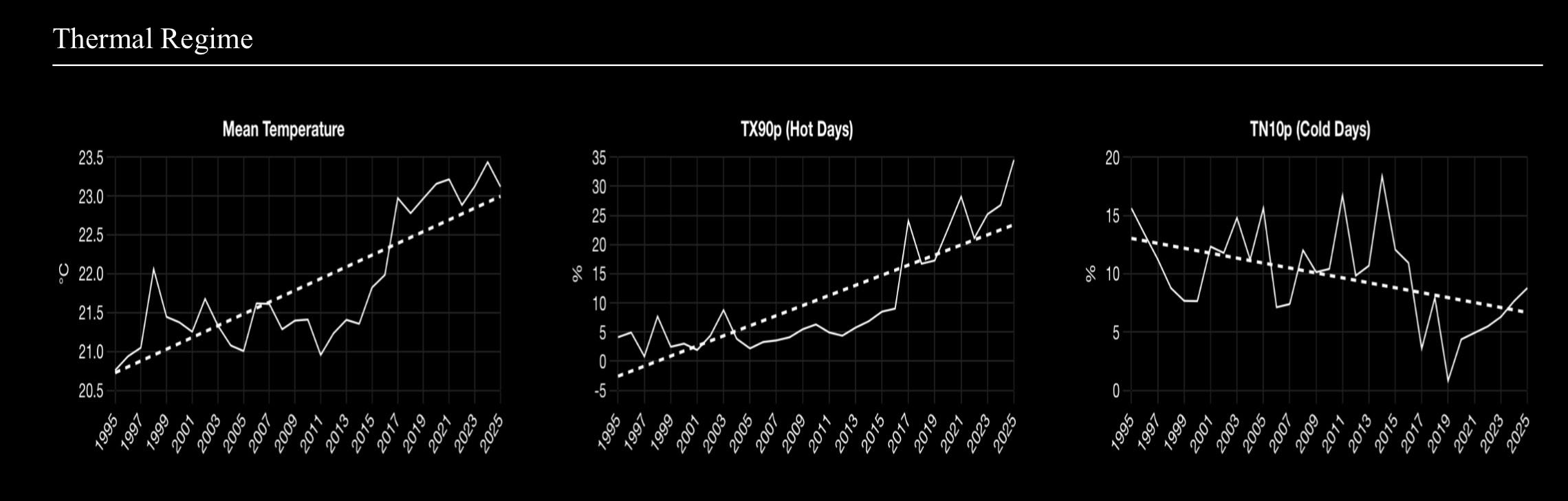
However, climate change is not experienced solely through changes in average temperature. Farmers repeatedly expressed a growing sense of uncertainty, where traditional seasonal cues no longer provide the same reliability for planting and harvesting decisions. Interestingly, the sudden cold days described by several farmers contrast with scientific observations. While Lin et al., 2025 reported a declining frequency of cold surges in Taiwan, a growing body of literature suggests that climate change can increase “weather whiplash”, rapid transitions between unusually warm and much colder conditions, in many regions around the world (Nie et al., 2025). Such abrupt changes may contribute to the perception of increasing climatic instability, even when long-term cold events become less frequent.
Rainfall presents a more complex picture. Historical ERA5 (open-access climate datasets) records indicate a decrease in annual precipitation, from approximately 2,400 mm per year to around 1,700 mm per year over the study period. Current scientific literature does not provide strong evidence for a long-term decline in rainfall in northern Taiwan. However, several studies suggest that extreme rainfall events may be becoming more frequent and intense (Taiwan national climate report 2024). Such changes could explain why farmers perceive wetter conditions despite a possible decrease in total annual rainfall. Cloud cover may represent another important factor. Increased cloudiness can reduce incoming solar radiation, limiting photosynthesis and affecting crop development. While further analysis is required, local testimonies consistently mention an increase in cloudy days, highlighting a potential environmental change that deserves closer examination.
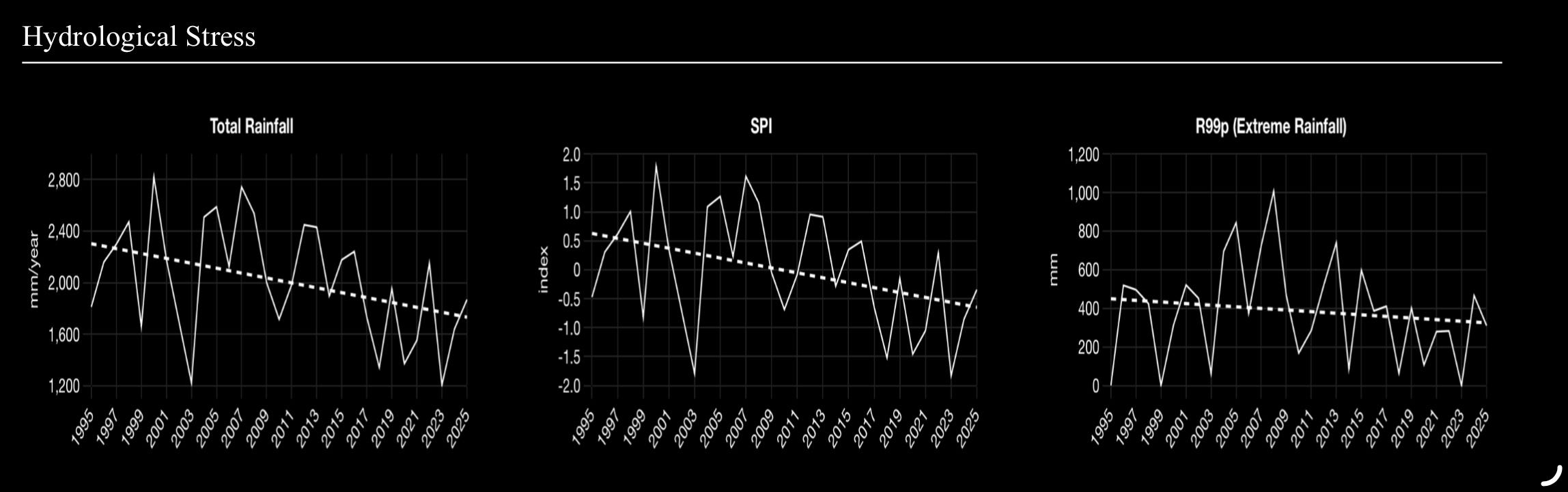
Overall, scientific records strongly support the long-term warming trend observed by local farmers. Yet the testimonies also reveal another important dimension of climate change: the erosion of environmental predictability. What was once perceived as a relatively reliable cycle of cool winters and warm summers is increasingly experienced as a shifting and less predictable environment, challenging both agricultural practices and the local knowledge systems that have guided them for generations.
Ecological interpretation
The challenges described by the farmers reflect a broader ecological issue: increasing climate variability. It is not only long-term warming that affects ecosystems, but also the growing frequency of rapid temperature shifts and extreme weather conditions. These fluctuations can disrupt plant growth cycles, reduce resilience, and create mismatches between species and their environment.
For small-scale agriculture, this means that crops are increasingly exposed to conditions to which they are poorly adapted. Extreme low temperatures, for example, can inhibit the activity of enzymes involved in photosynthesis and cause structural damage to cell membranes (Sassenrath et al. 1987). In the longer term, it can reduce the plant’s ability to capture and use light efficiently, ultimately affecting growth and productivity (Shi et al.2022). The economic consequences can be important. During the cold surge of January 2016, agricultural losses across Taiwan were estimated at NT$30.71 million, with approximately 688 hectares of crops affected (Taipei news).
Farmers in Wulai specifically highlighted white radish and loofah as crops that have become more difficult to cultivate. Interestingly, these species respond very differently to climatic conditions. White radish is a cool-season crop whose root development is favored by temperatures around 10–14°C. Warmer winters can therefore alter its growth strategy, promoting leaf development rather than root enlargement (Nieuwhof, 1976). Simply put, without proper root formation, there is no radish to harvest. Loofah presents a different case. As a tropical species, it is generally adapted to warm environments, making it unlikely that warming alone explains its reported decline. Instead, its reduced productivity may result from the combined effects of multiple environmental stressors, including heat stress during flowering, excessive humidity, changing rainfall patterns, and reduced solar radiation associated with increased cloud cover. In this context, the increase in cloudy conditions reported by farmers, together with evidence of more frequent extreme rainfall events, may provide a more plausible explanation than temperature alone.
Together, these examples illustrate that climate change does not affect all crops equally. Its impacts depend on the specific physiological requirements of each species and on the complex interactions between temperature, rainfall, humidity, and light availability. Local knowledge of these species-specific responses is essential for interpreting observations and anticipating future agricultural challenges.
Responses and possible pathways
In response to changes, these farmers have chosen to reduce intervention rather than intensify it. Accepting the changes instead of fighting against it. They try to adjust planting and harvesting periods, or adapt more heat tolerant crop varieties, diversifying crops.
If conditions aren’t suitable, then we just can’t plant. I just grow whatever I can grow.
They also mentioned that some farmers are trying to improve irrigation and water management, as well as using shade structures to protect their cultivation.
Some people build greenhouses, or they improve things like water management.
These strategies help reduce the impacts of shorter cold seasons or more frequent heat stress. Such adaptations may increase resilience to climate uncertainty while helping maintain crop productivity and livelihoods in a changing climate.
However, as climate pressures continue to intensify, the long-term viability of these adaptation pathways remains uncertain, particularly for small-scale farmers whose resources and capacity to respond are limited.
Closing
For these farmers, facing increasing uncertainty is not about controlling nature, but about learning to adapt within it.
“If it grows, we eat it. If not, we let it return.”
Their response to climate change is not resistance, but adjustment. They continuously reshape their knowledge and practices to match the conditions that emerge around them. It is this capacity to absorb change, adapt, and continue moving forward that allows them to keep doing what they love.
Perhaps this is resilience in its simplest form.